
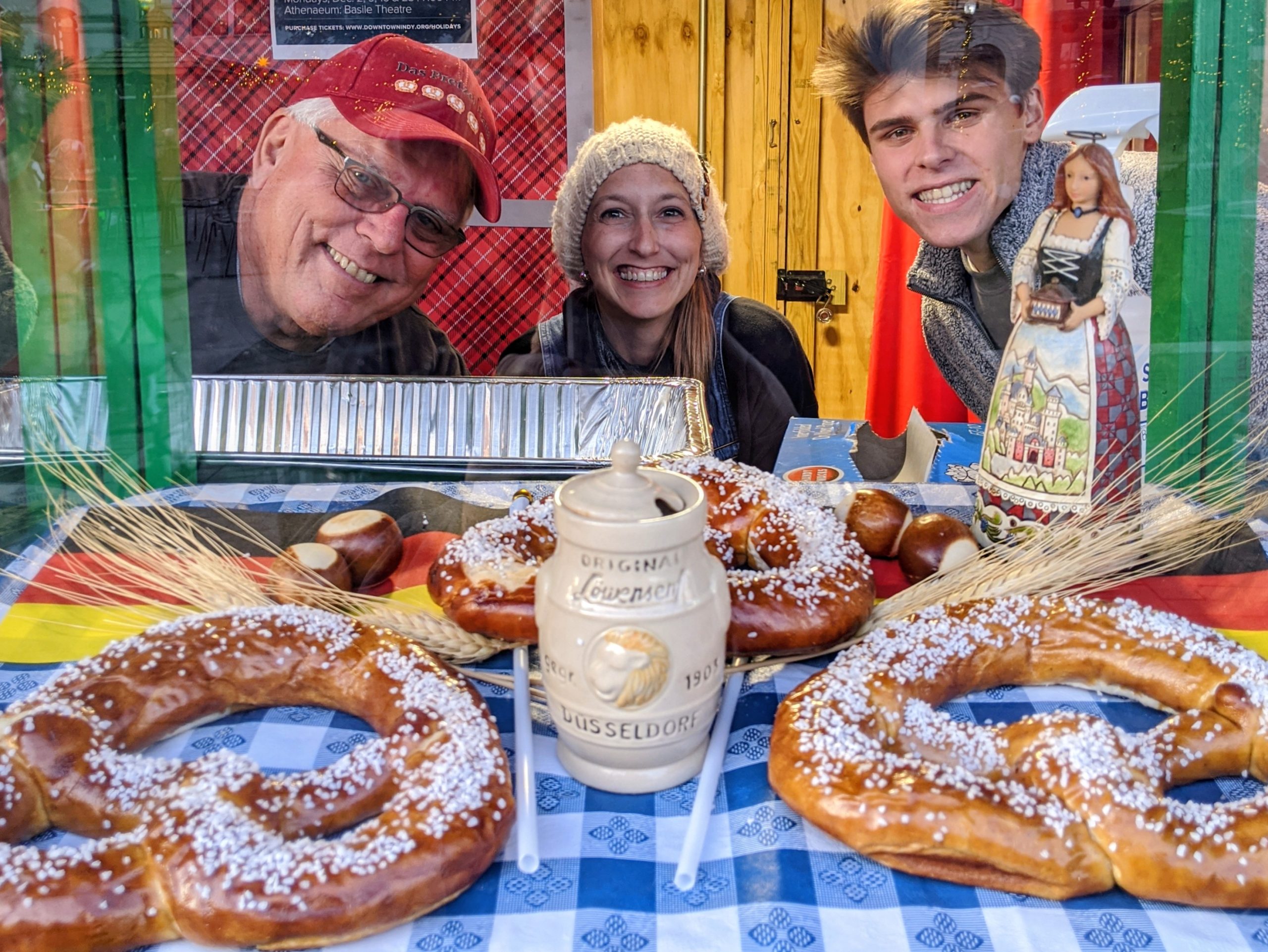

Feature image: Visitors gather at the Pretzel Hut during the 2018 Carmel Christkindlmarkt. (Photo by Sandi Richardson)
Sitting down at a Stammtisch table to speak German with friends and neighbors never fails to remind me how a single conversation can create a genuine sense of belonging. In our fast-moving, screen-heavy world, so many of us share a hunger for shared traditions and real human connection. German heritage runs deep across Indiana, and local families take immense pride in those historical roots. While heritage is the history we inherit, language is the living key that unlocks it. Keeping that culture alive requires us to speak it, practice it, and live it together.
Indiana was shaped by nineteenth-century German settlers seeking a place to build a new life. By the late 1800s, vibrant German-speaking neighborhoods flourished around the state and across the Midwest. Wherever these families settled, they created spaces to gather by founding parish churches, choir societies (Gesangvereine), gymnastics clubs (Turnvereine), and Saturday language schools (Samstagsschulen).
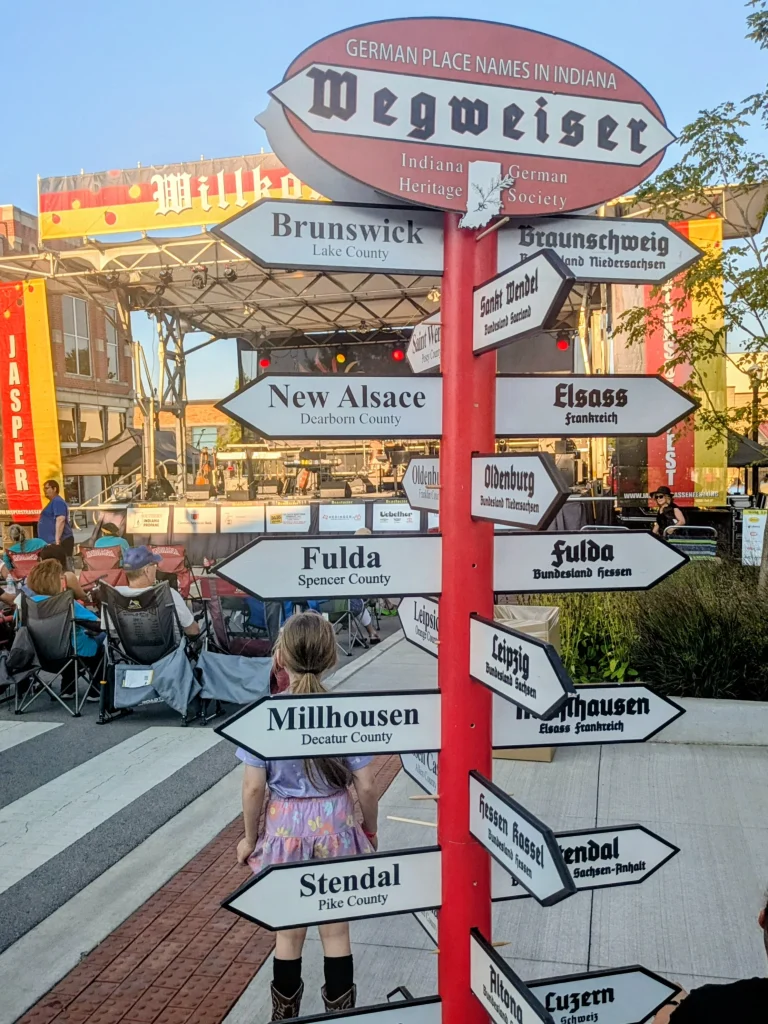
Today, local organizations offer a window to Indiana’s German-influenced past. However, keeping this heritage alive for future generations ultimately depends on our willingness to show up, participate and pass it down.
Bringing Real Culture Back to the Table
Marketing a fall festival as an Oktoberfest as long as there’s a bratwurst and a band playing the chicken dance is easy. But true authenticity relies on subtle details native speakers and German-Americans immediately notice. It’s those details that make guests feel like they stepped into another country or that vividly awaken long-forgotten childhood memories. For the record: The Chicken Dance is neither German nor played at German festivals.
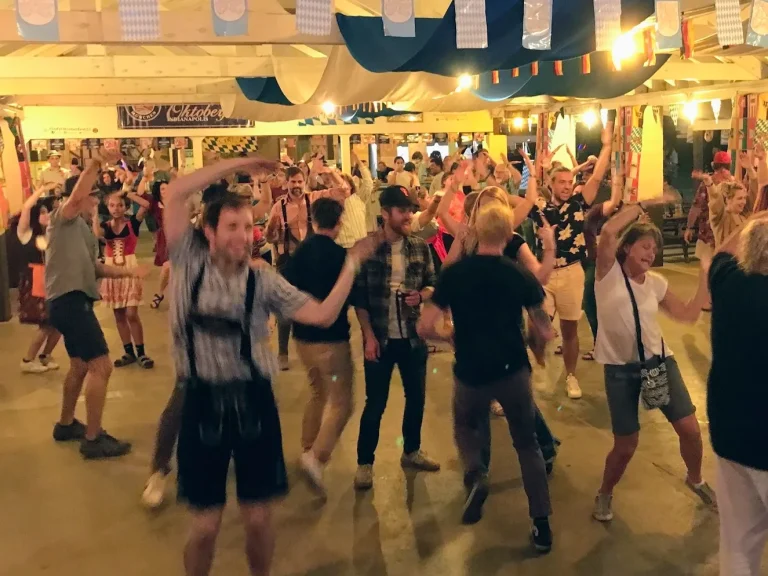
With traditional German-inspired events, you feel authenticity in the aroma of sausages sizzling over an open fire on a Schwenkgrill, served with proper spicy mustard. There are potato pancakes, brass instruments, German dances and regular interruptions for “Ein Prosit” to raise your glass, sing along and connect. There is an intentional social architecture in an authentic German gathering. Long beer garden benches encourage sliding over to make room for a newcomer. Schunkeln becomes the easiest way to “dance” with your seated neighbor. Returning your heavy glass stein to collect a deposit token (Pfand) creates a subtle rhythm of communal responsibility. You notice it in the unspoken etiquette of a toast, including mandatory direct eye contact and proper clinking of glasses. And of course, we wouldn’t be German if we didn’t eliminate spelling errors on event menus!
Preserving a Living Heritage through Language Education
Beyond the food and music, true culture reveals itself through the logic of the language itself. Like most languages, German has a unique syntax along with those famous compound words created to express precise feelings. (Yes. Feelings.) Learning German opens up concepts like Feierabend (celebration evening), which marks that concrete, sacred boundary when the workday ends and leisure time begins. Or Fernweh (distance ache), which describes that deep longing for travel and leaving home for a while. And Gemütlichkeit, best explained as the cozy warmth of unhurried togetherness. In an era dominated by hustle culture and constant digital notifications, these linguistic concepts offer a refreshing cultural antidote.
That sense of Gemütlichkeit mixed with Heimweh (homesickness) motivated me to bring as much German-ness into my home and community as possible. I spent eight years supporting the masterminds behind the award-winning Carmel Christkindlmarkt so visitors can thoroughly experience another culture right here in our backyard.
By enrolling my kids in Saturday language school, we met our German tribe and unlocked cultural moments far beyond textbook lessons. August brought Schulanfang to mark the start of school. November brought Martinstag and crafting lanterns for the annual twinkling evening procession accompanied by traditional lantern songs, which are songs German-raised parents somehow still remember. December brought Nikolaustag and freshly-shined boots filled with treats by the front door. Late winter cheered us up with colorful Fasching parades, costumes, and jelly-filled donuts, which we strictly consumed for cultural preservation, of course.
Few moments in my parenting journey compare to watching my children say a few German words to their Oma and Opa. It brought our family history full circle. When they spoke directly with their grandparents, they weren’t just exchanging words; they were stepping into a shared legacy. I wasn’t exactly successful at raising bilingual children at home (my attempts were frequently met with that universal linguistic response of a silent stare), but I laid the foundation early, supplemented through Saturday School during their elementary years, and intentionally chose a school district offering German starting in middle school.
Taking Action in Our Own Backyard
Language learning thrives on human interaction, shared laughter and gentle encouragement. Trying out new sounds alongside supportive peers may even turn practice partners into travel buddies and lifelong friends. So put down that language app and come on out to meet people.
Central Indiana offers wonderful local spaces where language and culture thrive side by side:
- German-American Klub of Indianapolis: Authentic Oktoberfest with food, music, Biergarten tables, dance performances and Paulaner beer. Visit German Park Sept. 10–12. Language classes meet Wednesdays. (indianapolisgak.com)
- Indianapolis German Language School (IGLS): Interactive Saturday morning classes for kids and adults. Intermediate adult classes start Sept. 12; mini beginner classes start Sept. 19. (ighs.org)
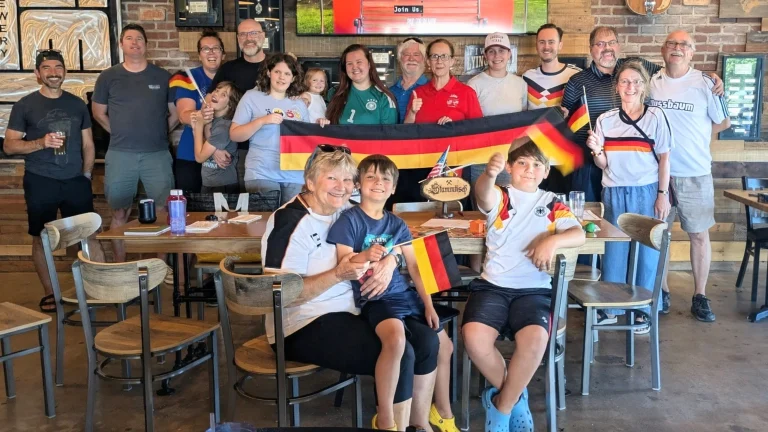
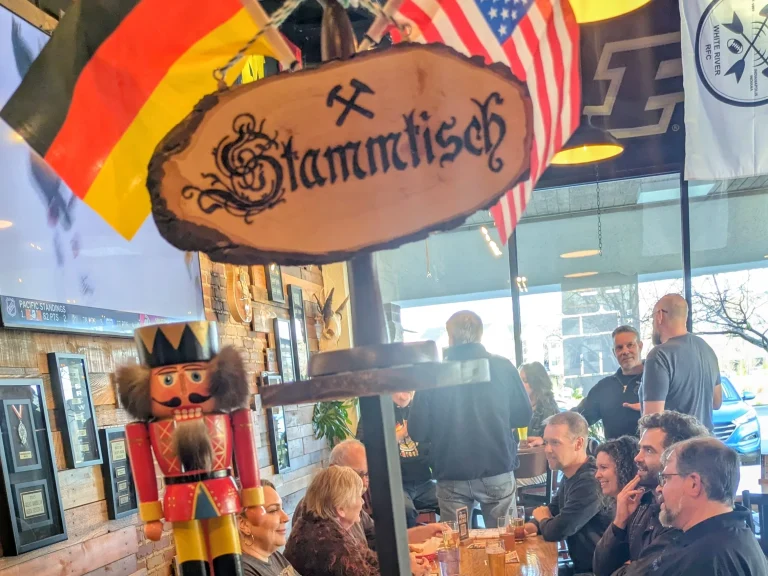
- Carmel Seiffen Sister Cities — Deutsch Out Loud: The group meets every fourth Monday at BIER Brewery in Carmel for Stammtisch. (carmelseiffensistercities.org) The next Stammtisch is on Monday, September 28, at BIER Brewery in Carmel.
Columnist Sandi Richardson is a nonprofit leader, project manager and president of Carmel Seiffen Sister Cities Inc., where she directs cultural exchange initiatives. A native of Saxony, Germany, now living in Indiana, Richardson brings a rich background in cultural programming, language education and storytelling to her writing—including her previous work shaping the cultural authenticity for the award-winning Carmel Christkindlmarkt. Her column explores community, heritage and the meaningful cultural threads that connect our local neighborhoods to the wider world.

Contact Sandi Richardson:
Heimat Link LLC
Email: heimat2link@gmail.com
Website: heimatlink.com (coming soon)
LinkedIn: linkedin.com/in/sandrawrich