
Feature image credit: Park Circus
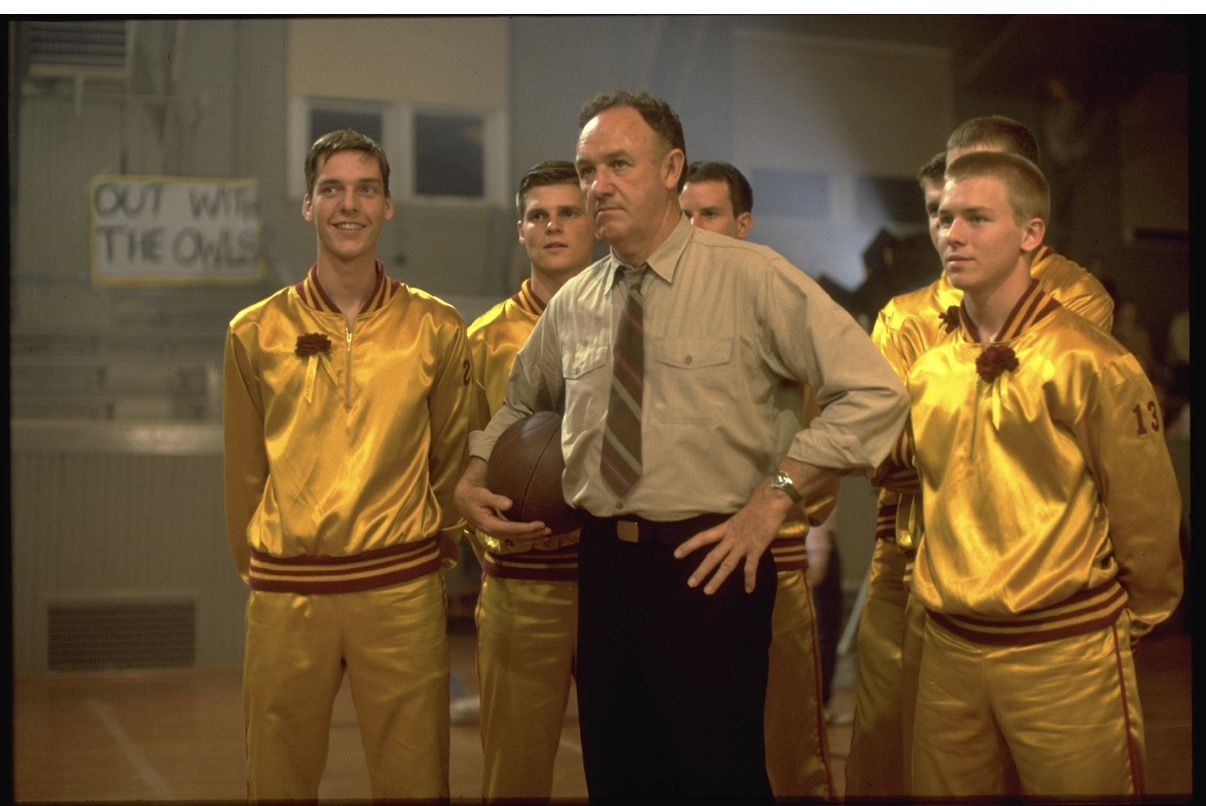
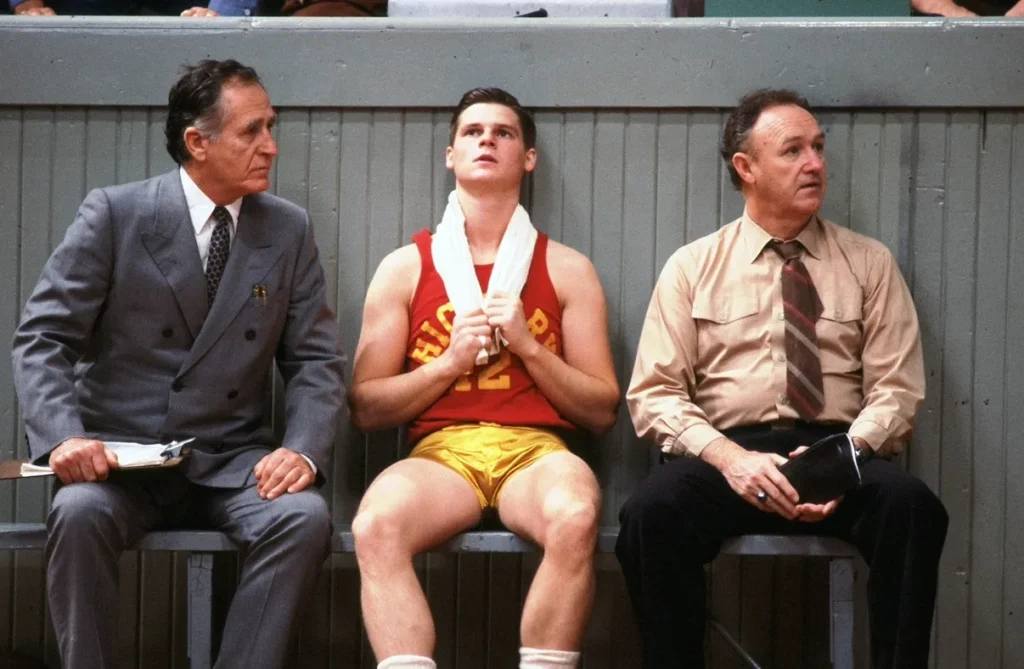
Few cinematic moments carry the enduring weight of a high school basketball team running onto a hardwood court in front of a roaring small-town gym. For nearly four decades, “Hoosiers” (1986) has captured the heart of American sports cinema. Inspired by Indiana’s favorite pastime, the beloved basketball drama earned two Academy Award nominations, secured a spot in the Library of Congress’ National Film Registry, and remains widely celebrated as one of the greatest sports films of all time.
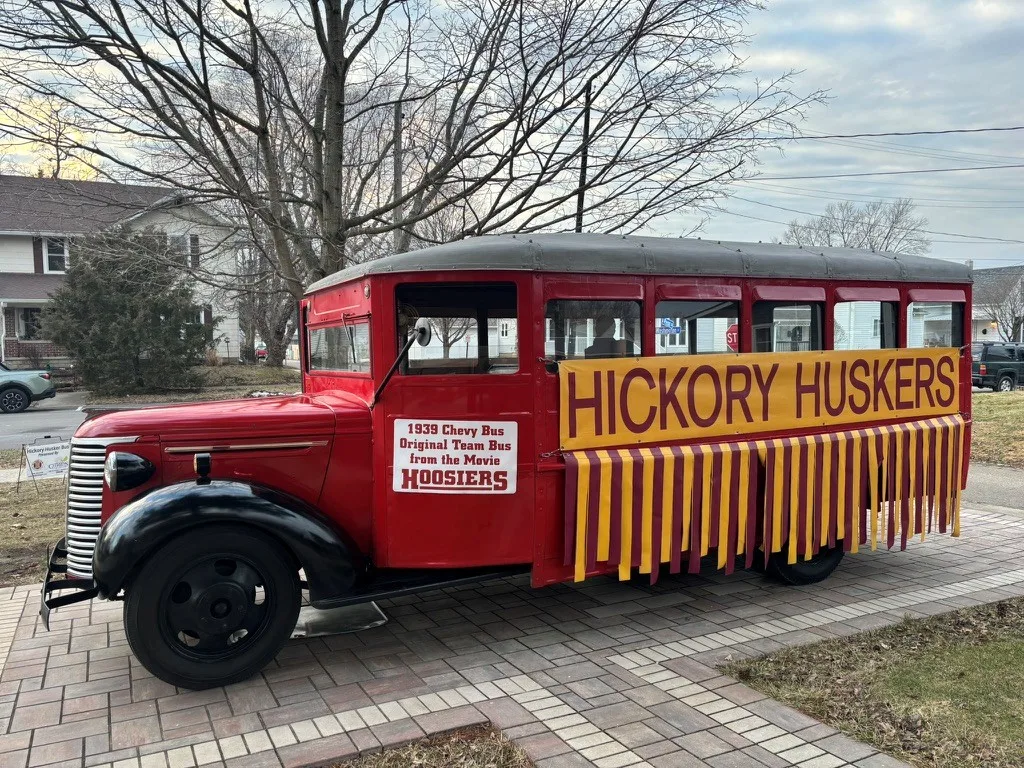
Fans will have the opportunity to celebrate that legacy at 3 p.m. Sunday, Nov. 15, when the Allied Solutions Center for the Performing Arts hosts a special 40th-anniversary screening at the Payne & Mencias Palladium in Carmel. Hosted by 93.5 & 107.5 The Fan radio host JMV, the afternoon will be capped by a live, in-person Q&A featuring screenwriter Angelo Pizzo, director David Anspaugh, and actors Brad Long — who portrayed team captain Buddy Walker — and Maris Valainis, whose character Jimmy Chitwood sank the famous last-second shot to capture the state championship.
The Dual Sparks Behind a Masterpiece
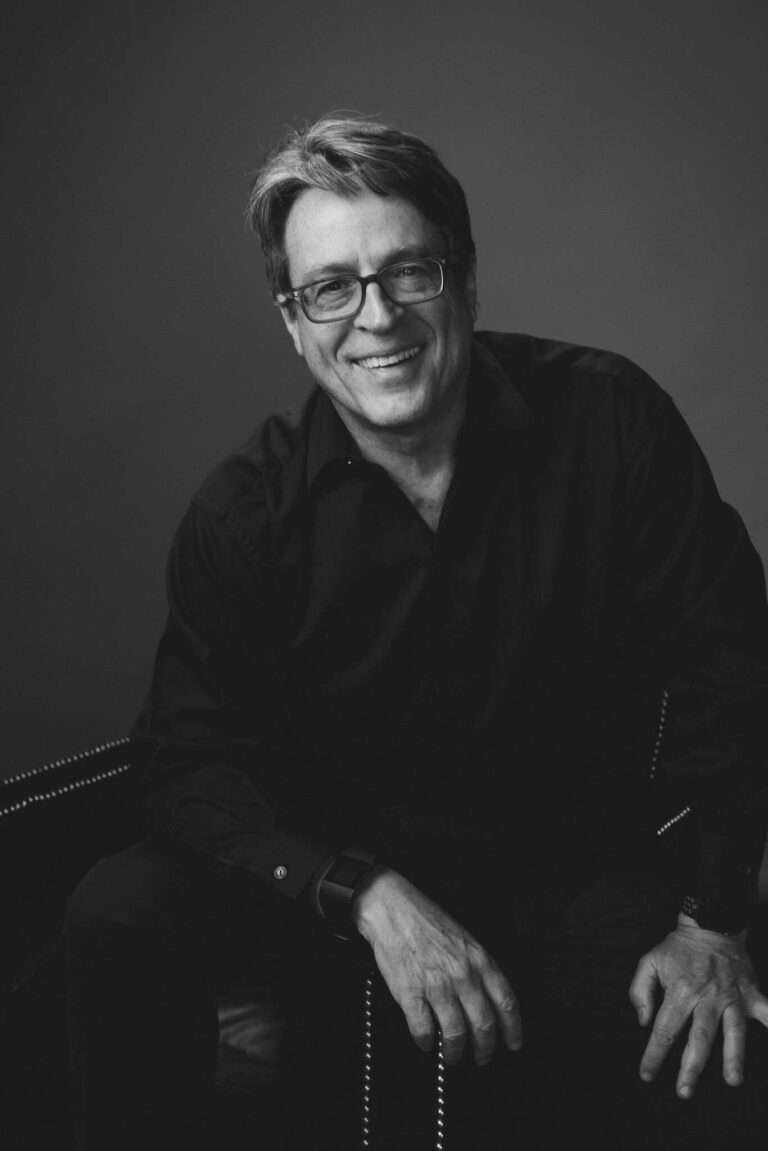
Pizzo’s filmography includes iconic screenplays such as “Hoosiers” (1986), “Rudy” (1993), and “My All-American” (2015). These works transcend conventional sports stories to explore deep human connections, personal fortitude, redemption, perseverance, and the broader human experience.
After spending three decades in Southern California, Pizzo moved back to his hometown of Bloomington in early 2004, where he continues to write and produce new cinematic projects.
Before “Hoosiers” became a cultural landmark, Pizzo spent six years inside Hollywood studio doors as a feature film development executive, studying scripts and learning the mechanics of cinematic storytelling vicariously. When he set out to capture the unique relationship between Hoosiers and their basketball courts, the inspiration stemmed from two distinct Indiana basketball memories.
The first spark arrived in 1966 during a single-class high school sectional tournament. “I was too young to experience the Milan miracle in 1954,” Pizzo recalled. “But when I was in high school, in 1966, Unionville, a high school with roughly 60 students, managed to claw its way to the sectional finals against Bloomington High School, an institution of over 2,000 students.”
Unionville sank a last-second shot to pull off a monumental upset.
“Every fan besides Bloomington High School was for the little guy,” Pizzo said. “It was such an exciting moment that registered with me. There’s nothing quite like a last-second shot in a basketball game, and it was a very powerful moment that stuck with me as a guiding energy light when I finally wrote the script.”
The second spark occurred years later while Pizzo was visiting home for Christmas vacation. Picking up his younger brother from a game at Bloomington South High School, Pizzo walked into a packed gym during double overtime.
“I hadn’t been in a high school gym in 10 years,” he remembered. “The energy in that arena was extraordinary. It was so powerfully unifying. Everybody was pulling for that team and wearing their colors. I thought, ‘If this could be captured in a movie…’ I never forgot that moment.”
Overcoming the Blank Page and Pitch Rejections
Turning those cultural observations into a screenplay required overcoming Pizzo’s own self-criticism. Having focused heavily on academic writing while attending the University of Southern California (USC) film school, Pizzo admitted he originally disliked the solitary process of creative writing. It was a friend and showrunner who offered him advice that changed his approach: the Nabokov method.
“His biggest enemy was the critic on his shoulder,” Pizzo explained. “The way to mute that critic is, when you sit down to start writing, you never reread a single thing until you get to the end. That way, your rational, objective approach isn’t stopping your creative, intuitive voice.”
Using that method over the course of a year, Pizzo completed the screenplay. Yet, bringing it to the big screen proved to be a three-year uphill battle where the movie almost didn’t happen multiple times. Studio executives initially categorized “Hoosiers” as a niche regional project with limited commercial appeal outside the Midwest.
Jack Nicholson was actually the filmmakers’ first choice to play Coach Norman Dale. Nicholson read the script, loved it, and verbally committed to the project. However, due to legal entanglements and pending lawsuits involving MGM, Nicholson was forced to back out of the role when he couldn’t clear his schedule.
Pizzo and Anspaugh then turned to Robert Duvall, who ultimately passed. The filmmakers then pitched the story to Gene Hackman. Hackman loved the screenplay and accepted the iconic lead role — even before the movie was fully funded.
Funding finally came from an unexpected source: Hemdale Film Corp., led by British producer John Daly. Daly, a London native who had never seen a basketball game, allegedly broke down in tears after reading the father-son story arc between the character Shooter (played by Dennis Hopper) and his son.
Through sheer perseverance and what felt like destiny, the filmmakers pushed past endless rejections, studio skepticism, and financing hurdles to bring the classic to life — mirroring the very underdog perseverance and destiny of Hickory’s fictional championship run.
Creating Norman Dale & Seeing Another Side of Bob Knight
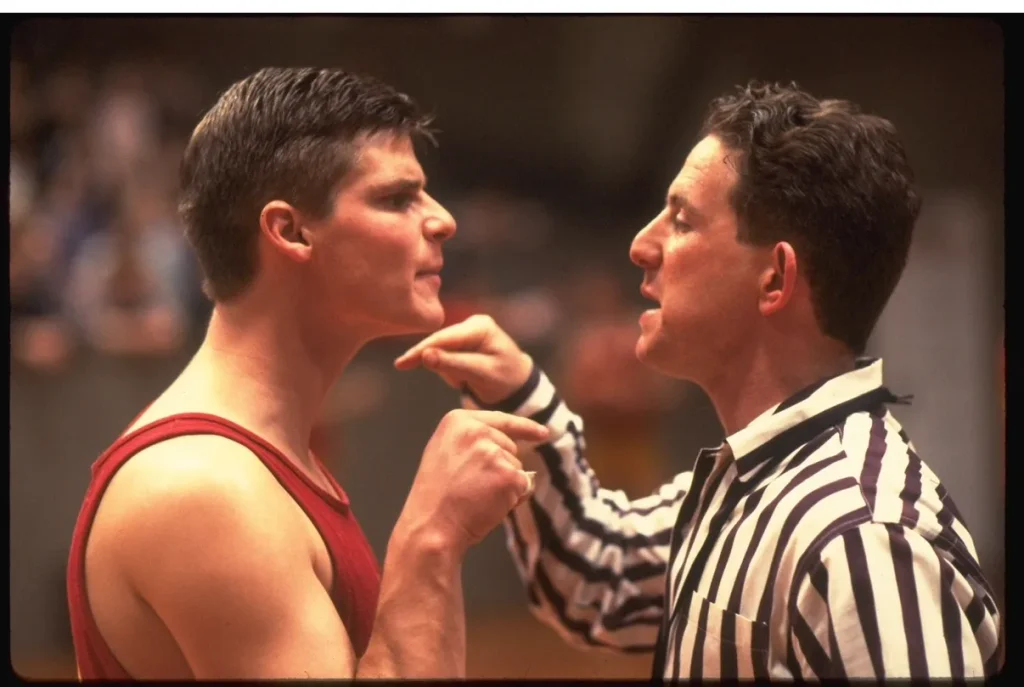
When crafting Coach Norman Dale, Pizzo drew direct inspiration from legendary Indiana University head coach Bob Knight.
“I was trying to create a character who had the same kind of approach and temper,” Pizzo said. “I posited the notion: What would have happened if Bob Knight lost his temper, punched out a player, and wasn’t allowed to coach — but was given a second chance 20 years later? That was basically the idea.”
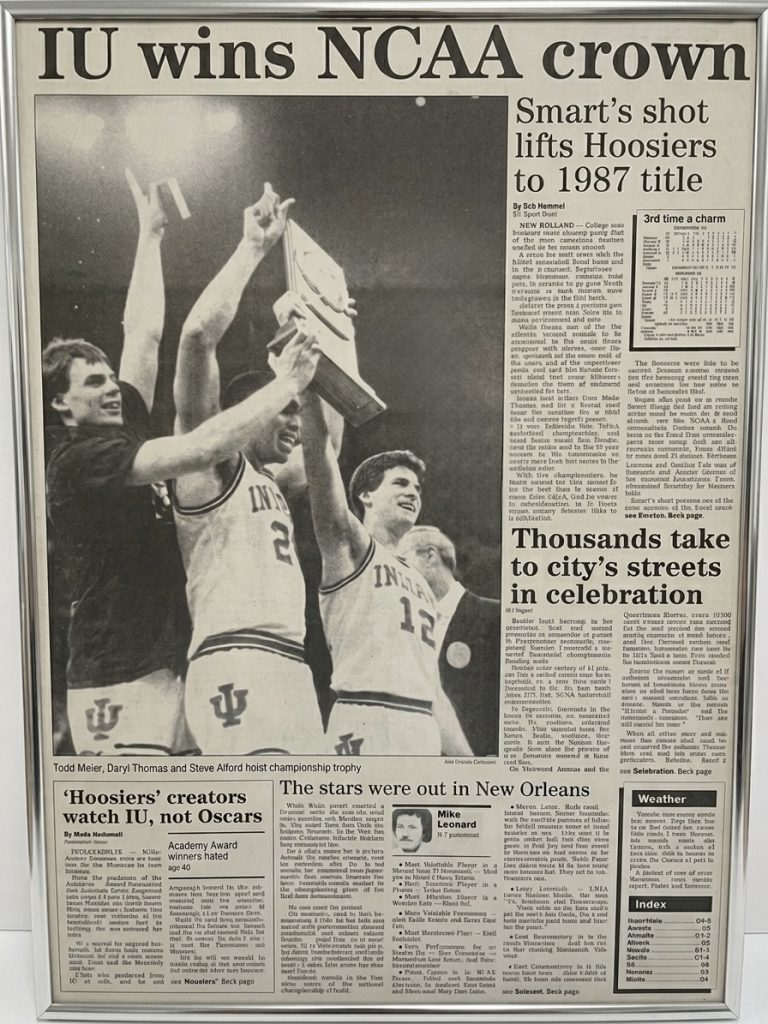
Pizzo eventually got to know Knight personally through a remarkable sequence of events surrounding IU’s 1987 National Championship victory.
On the exact night of the 1987 Academy Awards — where “Hoosiers” was nominated in two categories — Indiana was playing in the championship game. Rather than attending the Oscars, Pizzo, along with friend and “Hoosiers” director David Anspaugh, chose to stay home and watch Keith Smart sink the game-winning shot.
A local newspaper ran a front-page story highlighting Pizzo’s decision to skip Hollywood for Hoosier basketball. When Knight saw the article, he remarked, “Boy, they sure sound like IU fans. Next time they’re in town, tell them to come on in. I want to meet them.”
That October, Pizzo visited Assembly Hall for one of Knight’s notoriously closed practices.
“I walked in and sat down,” Pizzo recalled. “There were only three or four other people in Assembly Hall, and every once in a while he’d look up at me and frown, give me a real hard-ass stare.”
Despite that formidable sideline glare, Pizzo went on to spend rare and impressionable time with Coach Knight, gaining firsthand insight into the complex figure and getting to see a completely different, deeply compelling side to the legendary coach beyond his intense public persona.
Recognizing the unmistakable dialogue and fiery speeches in the film, Knight jestingly teased Pizzo that those were his lines and that the screenwriter owed him money.
Pizzo shared:
“’What are you doing with my words? You owe me money.’ I looked up, my eyes got real wide, and all of a sudden he gets a big grin on his face, walks over, puts his arms around my shoulders and says, ‘That was a hell of a movie, great job.’ And then he says to me, ‘What are you doing right now?’ I said, ‘Well, I’m gonna go home now. You know, dinner with my parents.’ He said, ‘No, you’re not. You’re coming with me.’
“I said, ‘Where are we going?’ He said, ‘I need to see a recruit in Chicago.’ So for the next several hours, I spent time in conversation with Coach — probably the most extraordinary 10 hours I’ve ever had in my life.”
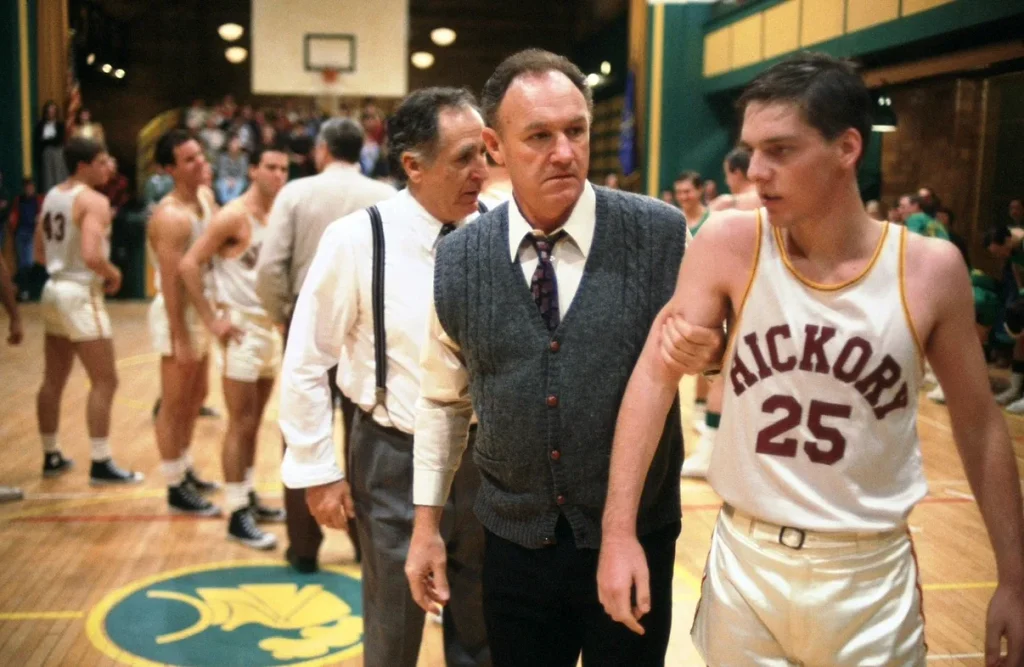
Four decades after its release, “Hoosiers” remains a beloved story of community and triumph, making November’s screening and Q&A at the Palladium an unmissable event for film enthusiasts and sports fans alike.
Purchase your tickets at thecenterpresents.org.