
Are we safer 25 years later? It is a fair question as we look back on one of the worst attacks ever launched on American soil at the hands of a ruthless enemy we scarcely knew. This year as we reflect upon the horrors of Sept. 11, the destruction wrought by severe weather and biblical flooding, we again find ourselves confused by a series of violent crimes, stretched by expensive fuel, troubled about the turbid state of the world, and worried about whether there can ever be a civil discourse again.
To be sure, much has been spent; some with great impact on tools, systems and technology that change the probabilities in our favor. Unfortunately, preparedness (and most security measures) tends to be episodic — reacting to whatever the last problem was. This produces what amounts to random acts of preparedness. The principal problem with this approach is that it leaves great gaps in preparedness, fosters cynicism and ignores a smart enemy that changes tactics with each improvement implemented by the good guys. It also ignores nature, which changes as a matter of course — mutating viruses and changing weather patterns. Confusion reigns as to what must be done, who must do it and who should pay for it.
Many expect that some government agency will ride in like the cavalry to save the day, not recognizing or perhaps not admitting that it takes time to muster and train the troops, saddle the horses — assuming they don’t have to buy or rent them — and ride to the rescue.
We shouldn’t need someone to tell us to keep tuned to the news, to keep an eye toward the sky and to pay attention to world affairs. But we do. We should know that there are more than 50 armed conflicts raging around the globe besides those that we are directly involved in. But we do not. We should understand that many in the world hate us not for what we do or who we are, but for what we stand for. We should understand that many of those who hate us most do so because they have the least. Just as heat, hunger, hatred and being held hostage by circumstance breed violence in faraway places, those same factors can breed violence here and unfortunately have repeatedly.
All too often the business of preparedness is one of frightening people from inaction. Inertia seems to be the greatest obstacle to awareness, to understanding and ultimately to preparedness. Being prepared in this century is not fundamentally different from being prepared in the last century, except for one glaring truth: The technologies that make us all more efficient and effective also become force multipliers for a determined enemy. These technologies also provide a pulpit for the misinformed and those with an agenda. Just-in-time systems, which work well during normal times, tend to fail with troubling consequences when something — or someone — disturbs the systems they rely on.
The problem is figuring out what we should be prepared for. The list of catastrophes, disasters, dastardly deeds and vulnerabilities that could yield trouble is long, expensive and unpleasant. The calculus of preparedness is complex, time-consuming, unsettling and hard. It isn’t hard to imagine a community response of denial, depression or distress when faced with the list. But that is not our way. Preparedness lies less in the actions of government than in our own actions.
We don’t need a gilded commission to tell us what many Hoosiers already know: Preparedness and safety begin at home, with the family, with the people we have relationships with. People we can call in times of great joy or great trouble. It seems axiomatic that we should have a few days’ food and water, a flashlight, a radio, blankets, candles and needed medicines, yet many do not. Likewise, measures must be taken to protect and insure the people, places, and things we hold dear.
Since we know that the world is not a safe place, that it never has been and probably never will be, we must all act today to be better informed, better equipped and better prepared. There are lots of vulnerabilities. We need to better understand those vulnerabilities, mitigate them where we can, and prepare flexible, agile, appropriate and effective response systems for those we can’t mitigate.
On this 25th anniversary, do something to be better prepared.
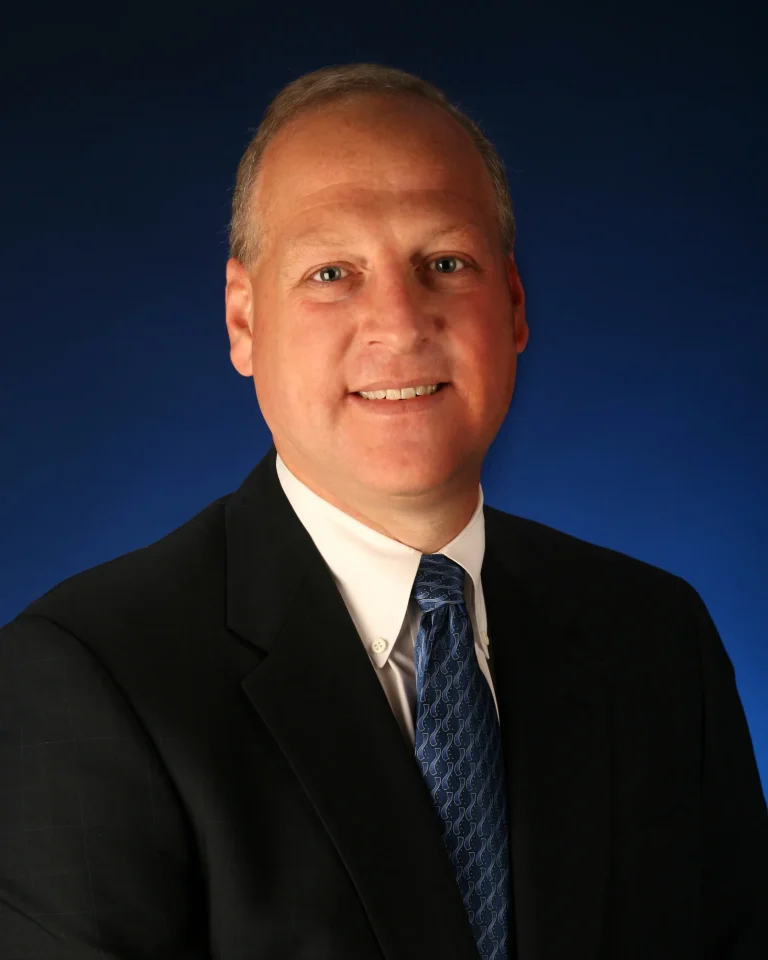
Peter S. Beering foretold the Sept. 11, 2001, attacks and served as the Indianapolis terrorism preparedness coordinator when they occurred. Beering has worked 40 years to make our communities safer.